
EFT payments, or Electronic Funds Transfers, simplify the entire payment process, creating a more efficient and secure system. They are typically used for large, infrequent payments (because there’s a fee). You might use wire transfers to pay vendors or make a large down payment on a building or equipment. While wire transfers offer speed and efficiency, they also come with higher fees compared to methods like Foreign Currency Translation ACH. Banks may charge a flat fee for sending and receiving wires, and additional costs may apply for currency conversions in international transfers.
How EFT payment works?

The payment is then scheduled and typically processes within one to two days. Simply put, EFT (Electronic Funds Transfer) is a digital way to move money from one bank account to another, without needing cash, cheques, or paper forms. Whether you’re paying bills online, tapping your card at a café, or transferring money to a mate, you’re using EFT. It’s quick, reliable, and now a big part of how Aussies handle money every day, both in business and personal life. EFT payments are simple, fast, and secure ways to pay and get paid.
What Are the Drawbacks of EFT Payments?
Unlike traditional payment methods that may take days to clear, EFT transactions are usually completed within hours or even minutes. This quick turnaround time makes EFT highly suitable for time-sensitive transactions and payments. Financial institutions, including banks and credit unions, complete same-day wire transfers domestically through the Federal Reserve’s Fedwire Funds Service.
- The kinds of transactions that fall under the EFT umbrella are vast, ranging from direct deposits of salaries to online payments for goods and services.
- In conclusion, EFT methods are key to modern banking and finance management.
- ACH payments are processed in batches, usually overnight, so they take longer to clear than other types of EFT payments.
- Every time you use a credit card like Visa, Mastercard or American Express, you’re making an EFT payment.
- Additionally, you may need to provide other information such as the name on the account, the bank name, and the account type (checking or savings).
- You may need to provide routing and account numbers for your bank account, as well as authorize the entity to initiate electronic transfers.
How Does EFT Work for International Payments?
- Mainly for use within the U.S., it’s common for paying bills or salaries.
- GoCardless helps you automate payment collection, cutting down on the amount of admin your team needs to deal with when chasing invoices.
- As a business, tools like Square Online and Square Invoices let you accept various EFT transactions and get paid as soon as the next business day.
- Wire fraud is a serious criminal offense that uses electronic or interstate communications methods to defraud someone out of money or property.
- It’s not one specific type of payment, but a group of different payment types including card payments, direct deposits and wire transfers.
Whether through direct deposits, ACH, wire transfers, or eChecks, EFT brings security, convenience, and cost savings to businesses of all sizes. With the growing preference for digital payments, adopting EFT ensures businesses can meet modern customer expectations, reduce operational costs, and secure their financial processes. An EFT payment is a form of electronic payment that allows money to be processed between bank accounts directly. EFT payments are the most common way to transfer money and include credit card payments, online payments and automatic bill payments. When you fast-forward ATM use to the 21st-century, you can see how the use of EFT networking is now an accepted and highly popular way to do business.

Some electronic funds transfers are sent and received on the same day (e.g., wire transfers). You can use the debit card to move money from https://anushatrading.com/financial-ratios-complete-list-and-guide-to-all-8/ your business bank account. Use your debit card to make purchases or pay bills online, in person, or over the phone. Different types of electronic funds transfer (EFT) exist to meet the diverse needs of businesses and cater to various scenarios, such as payroll, vendor payments, and operational expenses. This variety allows companies to choose the methods that best suit their financial strategies. Australia’s electronic system reads and exchanges data electronically, making it faster to pay and clear an e-cheque compared to a paper cheque.

Employers often use this to pay wages directly into your bank account. Read our blog, learn how payments work, or find a partner to help you set up payment processing. Here’s a guide on the fees, time, and what you should give to your sender overseas.
What Is Accelerated Banking?
- Embracing EFT can significantly enhance the financial management processes in both businesses and personal finances.
- It offers speed, convenience, accuracy, and efficiency, making it a preferred choice for individuals, businesses, and financial institutions.
- EFTs are handy, but types differ in speed, cost, and security, especially for B2B payments.
- When making EFT payments, you’re essentially transferring money from one bank account to another.
- This term was defined back in 1978 by the United States’ Electronic Fund Transfer Act.
- Businesses rely on EFTs for B2B payments and various operations, including payroll, accounts payable, and accounts receivable.
Caroline previously served as the Marketing Coordinator at PaymentCloud, a merchant services provider that offers hard-to-place solutions for business owners across the nation. In simplest terms, an ACH transfer is basically a type of EFT used by various industries for security purposes and low fees. In fact, it was originally designed to replace the use what does eft mean of physical checks. At the time, customers could only use ATMs at branch banking locations. Shortly after, banks created shared ATMs, where a customer could use another bank’s ATM for withdrawals, after disputes arose over the machine’s limited use.
Whether you’re sending or receiving EFTs, they’re easier on the finance team to work with, plus the money is deposited faster. Ultimately, any digital transaction that moves funds from one bank account to another would be considered an EFT withdrawal. How Electronic Funds Transfer (EFT) payments work will ultimately depend on the type of EFT being sent. For example, when sending transfers through online transfer, the sending party will need to provide sufficient information about the recipient. EFTs transfer money between accounts within the same or different banks, even internationally. Lastly, some business owners mistakenly believe that EFT payments are expensive.

Free up time and reduce errors
This whole process can be completed within 1 to 5 business days, depending on the payment method. Whether it’s payments to vendors or payments from customers, how you’re making these payments matters. There are fees, processing times, and availability to consider for parties on both sides of the payment. The person or organization making the payment initiates the transaction by providing the necessary information to their bank or payment gateway. This information typically includes the recipient’s bank account number, the name of the recipient’s bank, and any other relevant details.
]]>Our Company
This illustrates the financial impact and liquidity considerations of long-term construction projects. As ongoing projects significantly impact cash flow, the recognition of revenue from Construction Work In Progress influences the income statement. It plays a crucial role in determining the financial performance and viability of long-term construction projects. Construction Work In Progress significantly impacts financial statements, particularly the balance sheet, income statement, and revenue recognition processes. To reflect the project’s financial status, it is crucial to recognize Construction Work In Progress on the balance sheet and estimate the percentage of completion judiciously. As the what does construction in progress mean in accounting terms project progresses, costs are continually incurred and recorded as construction costs, contributing to the overall value of the project.
For construction companies, CIP accounting is more than just a financial practice—it’s a strategic tool. At that point, the costs are transferred to the “Warehouse” fixed asset account. Properly managing CIP on the balance sheet ensures accurate reporting of an organization’s financial position and prevents misstatements that could affect decision-making.
Mitigating Common Challenges in CIP Accounting
Once the software is completed and ready for release, the costs recorded as CIP are transferred to the “Intangible Assets” account or a specific software-related asset account. Once the building is completed and put into service, the costs recorded as CIP are transferred to the “Property, Plant, and Equipment” account. By capitalizing these costs, companies can accurately reflect the value of the project and its impact on the financial position. When costs are incurred during the construction or development phase of a project, they are initially recorded as CIP on the balance sheet. By capitalizing these costs in progress, companies can more accurately reflect the value of the project and its impact on the financial statements. Regularly update the CIP account with new expenses and ensure accurate tracking for better financial management and reporting.
Financial Implications of CIP Accounting
It reflects the capital allocation towards future revenue-generating assets, enhancing the construction company’s financial transparency and ability to attract potential investors and lenders. Pipeline construction involves long-term revenue recognition considerations, further highlighting its significance in financial and accounting contexts. It represents a long-term project with substantial financial and accounting implications within the construction industry. This long-term nature necessitates careful consideration of revenue recognition, cost allocation, and the potential impact on financial statements, making it a crucial aspect of financial reporting for construction companies. It represents a long-term project with significant financial and accounting implications within the construction industry. Building construction projects, such as the construction of high-rise buildings, residential complexes, or commercial spaces, involve a series of intricate processes.
Construction-in-progress (CIP) is an account in which the costs incurred to build a fixed asset are stored. Once the project is completed and the asset becomes operational, transfer the total CIP amount to the appropriate fixed asset account (e.g., “Building”). Determine which costs relate to the project under construction. It includes both direct costs (such as materials, workers, and subcontractors) and indirect (like office expenses, insurance, and interest). Plus, construction accounting requires a detailed look at each project, checking its money flow, how well it’s doing, and how profitable it is.
The Completed-contract method is an accounting method of work-in-progress evaluation, for recording long-term contracts. Accounting for construction in progress when it is for an asset to be sold is slightly more complicated. To make the accounting process easier, some companies complete all WIP items and transfer them into finished goods inventory prior to closing the books, so that there is no WIP to account for. It is extremely difficult to assign an accurate cost to a WIP item, since there may be many WIP items in various stages of completion as of period-end. While cash basis accounting records the actual movement of cash, accrual basis allows for the prediction of revenue. Also be sure to check out how aproject management software with accounting integrationcan help your business prosper in both the field and office.
Income Statement
In terms of long-term projects, GAAP requires a prudent approach to recognize any potential losses, ensuring that the financial statements present a true and fair view of the project’s financial position. It is essential for construction companies to understand the nuances of these standards to comply with regulations and accurately present their financial status to stakeholders. While GAAP prioritizes historical cost and conservatism, IFRS allows for revaluation of certain assets, which can impact the valuation of CWIP. These two sets of accounting standards outline specific requirements for recognizing and reporting Construction Work in Progress (CWIP).
How Do You Transfer CIP to Fixed Assets?
Expand your financial knowledge with this comprehensive guide. Looking for expert guidance on managing Construction in Progress on your balance sheet? Depreciation reflects the wear and tear of the asset over time.
- After calculating the percentage of work completed, the percentage is applied to determine the Total estimated Revenue to calculate the Earned revenue to date finally.
- The challenge, therefore, lies in managing costs linked to transferring resources and varying input prices at each location.
- On 9th May, 2020, XYZ Ltd completed the building’s construction and put it into service.
Understanding Construction in Progress on the Balance Sheet
By accurately calculating construction in progress, construction companies can assess the financial performance of their projects, monitor progress, and ensure compliance with accounting standards. CIP is used for fixed-asset construction projects, such as buildings or infrastructure, while WIP tracks costs for operational projects or production processes, such as manufacturing. By maintaining a dedicated CIP account, businesses can avoid mixing incomplete project costs with operational expenses, ensuring accurate financial reporting. The purpose of capitalizing assets in progress, commonly referred to as CIP, is to accurately reflect the costs and value of long-term projects in the financial statements. It helps organizations track expenses for assets under development, ensuring accurate financial reporting and better control over costs.
Accurate tracking and allocation of direct costs, such as labor, materials, equipment, and subcontractor fees, are crucial for determining the value of work completed. It allows construction professionals to accurately determine the value of work completed and the unexpired cost of work in progress. This enables effective cost management, financial reporting, and decision-making in the construction industry.
#1 – Percentage of Work Completed
If the account shows up as a subaccount of PP&E, it is for the business to use itself and may be considered in progress. Clear schedules of values, retainage terms, and upfront agreement help maintain transparency and reduce financial strain. This supports contractor cash flow while letting clients pay over time, which is why it’s common in construction and aerospace.
With its ability to effectively manage complex calculations and varying reporting requirements, CMiC brings efficiency and precision, streamlining complicated process. Retainage can be best explained as a safety net — a certain percentage of the contract’s total value (typically 5% to 10%) is held back until project completion or a pre-decided date. While this appears to be challenging, industry-specific solutions such as CMiC are helping accounting teams navigate through ASC 606.
This involves aggregating and capitalizing all direct and indirect costs incurred during the construction process. These costs are capitalized and not expensed until the project is completed. Revenue recognition for construction in progress is typically based on the percentage of completion method (POC).
Such an interest cost is not capitalized as part of the historical cost of a capital asset. Progress billings fund large, long-term projects through staged payments tied to agreed milestones. The building contract states how clients approve cost changes, and typically, a customer must initial or sign a document that indicates the specific changes.
- It is important to note that construction in progress is distinct from completed construction projects.
- Early identification of risks can prevent delays, cost overruns, and potential legal or reputational issues.
- However, construction in progress also presents challenges and risks that must be carefully managed.
- This method provides a more accurate representation of the value of work completed and the unexpired cost of work in progress.
- It provides a reliable measure of construction in progress, allowing construction professionals to effectively monitor project costs and comply with financial reporting requirements.
- Construction Work In Progress (CWIP) is an important accounting concept in the construction industry.
Overhead costs, encompassing administrative expenses and managerial salaries, contribute to the overall financial burden and need to be properly accounted for in financial reports. Construction Work in Progress encompasses various types of costs, including direct costs, indirect costs, and overhead costs, each representing distinct elements of the financial impact of ongoing construction activities. The result is a more accurate reflection of the construction project’s financial health and value, enhancing transparency and accountability within the construction industry.
A balance sheet shows a company’s net worth at any given time and includes all of its assets, even those that are not currently in use. In either scenario, accountants would consider the WIP to be a current asset on a balance sheet. For this reason, a company’s “working capital”is known as the “current ratio”which divides current assets by current liabilities.These marketable products will either result in cash or accounts receivable. A work-in-progress is the cost of unfinished goods in the manufacturing process including labor, raw materials, and overhead. In the company’s balance sheet, construction in progress is most commonly found under the head of PP & E( Plant, Property & Equipment). Now she focuses on careers, personal financial matters, small business concerns, accounting and taxation.
There is no depreciation of the accumulated costs until the project is completed and the asset is placed into service. By capitalizing costs in progress, businesses can reflect the true value of ongoing projects, assess project feasibility, and ensure compliance with tax laws and regulations. Businesses must carefully manage their cash flows to ensure they have sufficient funds to cover operating expenses and ongoing project costs. However, it can affect liquidity, especially if substantial costs are tied up in ongoing projects.
]]>
Bookkeeping for attorneys can be difficult as they are sometimes not specifically trained in certain accounting fields and practices. There are numerous ethical regulations that law firms must comply with, including ensuring that the financial records of the law https://ranawaxman.com/the-importance-of-expert-bookkeeping-for-law-firms/ firm are up-to-date and accurate. Failure to do so may result in financial penalties or being barred from the legal profession.

Lower Training and Technology Costs
In addition, implementing case/client expense and revenue recognition systems is crucial to overcome challenges in analyzing profitability and managing costs. Managing bookkeeping for law firms differs from standard commercial enterprises. The consequences carry more weight, oversight requirements prove more demanding, and potential pitfalls multiply exponentially.
- Attorneys often hold client funds in IOLTA (Interest on Lawyers Trust Accounts), which must be kept separate from operating accounts.
- Client cost deductions on tax returns often create problems for firms that don’t handle them correctly.
- The firm provides a wide variety of services, including personal financial planning, estate planning, business valuation, bank financing, cash flow management, and small business accounting.
- This segregation of personal and business finances enables meticulous recording of legitimate business expenses, enhancing the reliability and accuracy of bookkeeping practices.
- Instead of debiting cash and crediting income, you should debit the IOLTA account with a corresponding credit to Trust Account Liabilities.
- Effective bookkeeping allows you to get an in-depth understanding of your law firm’s finances.
Tax and Accounting Services for Lawyers and Law Firms

OK Smartpay is a family-owned and family-operated company serving clients in Oklahoma City. It provides bookkeeping services for self-employed individuals and small businesses, including QuickBooks setup, support, and training. The company also offers tax reporting and payroll processing to help mitigate the liabilities and human resource administrative burden of clients.
Core Bookkeeping & Financial Close
- This portion of the revenue is not part of your firm’s income and must be assigned as such.
- Hiring a bookkeeper isn’t mandatory, but it can be a smart move—especially as your firm grows.
- Unlike general bookkeeping providers, we specialize exclusively in the legal industry.
- This provides you with a clear understanding of the state of your business/law firm and its profitability.
- Learn more about Bench, our mission, and the dedicated team behind your financial success.
- Don’t settle for accounting or bookkeeping services that leave you worrying about tax season.
The firm also offers business consulting, payroll services, tax planning, and QuickBooks consulting and training. It has been operating for more than three decades, helping clients manage their finances. In the end, compliance is not just about avoiding punishment; it’s about upholding the integrity of your practice. As the saying goes, “take care of your clients’ money as carefully as you would your own” – actually, even more carefully, since your professional livelihood depends on it. With careful attention and the right systems in place, Oklahoma law firms of any size can master IOLTA and trust accounting.
Key Takeaways
You will learn helpful financial management skills and accounting principles needed in the legal world. These metrics are crucial for assessing financial health How Bookkeeping for Law Firms Strengthens Financial Health and tax planning. Every law firm needs a dedicated trust account, commonly known as an IOLTA (Interest on Lawyers’ Trust Account).

Common tax challenges law firms face
- Many entrepreneurs in this sector don’t consider law firm bookkeeping a key task.
- When each office prepares reports separately, consolidation takes time.
- Managing bookkeeping for law firms differs from standard commercial enterprises.
- Law firms should list advanced client costs as assets instead of expenses.
- This activity helps determine revenue levels, key expenditures, and the most profitable services.
Client funds go into a trust account until they are earned by the lawyer or disbursed to the appropriate party. It’s a program established in the 1980s that allows interest from client trust accounts to be pooled and used for the public good (typically funding legal aid and justice programs). In practical terms, an IOLTA account is a pooled, interest-bearing trust account that law firms use to hold client funds that are nominal in amount or short-term in duration. Legal-specific accounting software solves unique challenges that general platforms don’t deal very well with. Law firms can save up to 15 hours monthly on trust accounting when they use dedicated legal accounting software. You should look for systems that maintain IOLTA compliance, handle complex billing structures, and grow with your practice.
Why SEO Matters for Lawyers: The Strategy Behind Modern Legal Visibility
State-approved financial institutions must register IOLTA accounts and report overdrafts to the state bar automatically. Law firms should list advanced client costs as assets instead of expenses. The IRS treats these costs as client loans and states in Publication 529 that reimbursed expenses aren’t income. Wrong categorization of advanced client costs can inflate taxable income by 8-12%.

Legal bookkeeping helps you clearly see how profitability varies by service type and client. Management can identify which cases are consuming more resources than their profitability requires. With well-established accounting, firms are better able to manage their budgets, allocate finances, and control expenses. This makes outsourced law firm accounting a cost-effective solution for multi-office firms. Outsourced law firm accounting is especially helpful for firms that want to focus on legal work instead of managing accounting staff and software. You’ll receive clear, partner-ready financial reports, including income statements, balance sheets, cash flow statements, and custom KPI dashboards.
]]>
Integrating payments with your accounting software helps reduce operational complexity by automating the reconciliation and record-tracking processes for accounting. This solution focuses on automating workflows and processes, from documentation creation to management of billing cycles. For example, Actionstep uses matter-based billing to quickly create billing reports and invoices. Small to mid-sized law firms and solo practitioners seeking affordable, legal-focused billing without complex enterprise features. Legal accounting software helps prevent these slip-ups by automating calculations, tracking every transaction, and flagging inconsistencies before they turn into real problems.
Practice Group Acquisition Tool
Proper law firm bookkeeping also reduces risk by identifying errors early and preventing potential violations or disputes. Clear and organized records provide transparency for audits, internal reviews, and ethical oversight. Cloud-based software is best https://pmgasia.in/india/2023/01/13/at-home-playtests/ for firms needing remote access or looking to scale without a large up-front investment.

Projected Financials

Although it may seem like an unnecessary expense to some practitioners, this is not typically something your office can afford to go without. From intake to matter management to billing and accounting, our legal practice management software simplifies operations firm-wide. Mid-sized law firms needing integrated accounting and practice management with bookkeeping for law firms strong regulatory compliance.

Corporate tax
- These documents contain the information you need to record in your books.
- Rocket Matter’s industry-leading QuickBooks integration streamlines your financial workflows and eliminates manual adjustments and errors—not to mention frustrations.
- MyCase Legal Accounting is easy-to-use accounting software built seamlessly into the MyCase practice management platform to meet the unique business needs of law firms.
- Designed to integrate seamlessly with PracticeMaster for comprehensive practice management, it supports firms relying on robust, on-premise financial controls.
- Centralize your firm’s financial data, eliminate redundancies, and gain a clear picture of your financial health with this all-in-one solution.
Accounting is an essential function of any business, https://www.bookstime.com/ and law firms are no exception. This integrated financial solution gives you complete visibility over where your firm’s money is going. Automate invoice creation using the time-tracking entries you’ve already created for each case to streamline law firm billing processes and get paid faster. Streamline your law firm’s accounting and ensure compliance effortlessly with MyCase. Gain the insights needed to make informed decisions and drive your firm’s success. Rick is a highly accomplished finance and accounting professional with over a decade of experience.
Accounting, Billing & Finance
- The most effective AI tax software for professionals is typically offered as a software-as-a-service, like CoCounsel Tax.
- Instead of chasing payments or dealing with messy records, you’ll have a system that keeps everything organized.
- CosmoLex is a comprehensive cloud-based law practice management software tailored to simplify and streamline the daily operations of law firms.
- Make getting paid the easiest part of your job with intuitive time-tracking and convenient payment options.
- Tracking billable hours, handling trust accounts, and chasing down invoices can be overwhelming—especially if you’re relying on spreadsheets or generic accounting tools.
Desktop-based accounting software designed specifically for law firms, handling general ledger, trust funds, and billing compliance. Integrated legal practice management and accounting software with PCLaw trust accounting for streamlined firm finances. Mid-sized law firms seeking a robust, all-in-one solution for compliant legal billing and accounting with case management.

Proper training and awareness sessions can further ensure that all team members are aligned with these regulations. Real estate accounts are professionals who manage property-related financial activities. They ensure accurate tracking of transactions and compliance with financial regulations. Their expertise is crucial for the financial health of a real estate business. In the dynamic world of real estate, whether you’re managing residential rentals, commercial buildings, or flipping properties, having a solid financial foundation is essential. Bookkeeping serves as the backbone of financial clarity, helping property owners, investors, and real estate businesses stay organized, profitable, and compliant with tax regulations.
Unsecured Small Business Loan
Regular reviews, audits, and continuous professional development are essential components. Training sessions and advanced software solutions can further enhance ethical practices. For real estate professionals, upholding ethical standards is a core value. Accurate adherence ensures that businesses operate with integrity and build trust among stakeholders.
Place talent at the center of your growth
Regular reviews ensure that all intercompany transactions are accurately reconciled. Training sessions offer insights into the complexities of intercompany transactions. For real estate professionals, accurate intercompany reconciliation is crucial for financial transparency. Ultimately, intercompany reconciliation drives stakeholder trust and business success.
Understanding Financial Accounting Standards

It’s essential to assess the fair market value of an item you buy or sell, as it can significantly impact your finances. https://www.blogstrove.com/categories/business/how-real-estate-bookkeeping-drives-success-in-your-business/ The information on this website is for informational purposes only; it is deemed accurate but not guaranteed. We are proud to offer superior property solutions throughout Maryland and DC. If you’re a property owner in the Mid-Atlantic region, we have the knowledge and expertise you need to succeed. Our step-by-step online training is the most effective way to learn from scratch how financial models are built by investment bankers and corporate finance professionals. ELI personalizes every interaction through data contextualization made possible through an integrated data layer and cutting-edge AI models.

Equities Markets Certification (EMC©)

Tailored real estate accounting solutions offer agents tools to track and categorize their expenses. Moreover, training sessions help agents optimize their expense management strategies. Advanced analytics and insights further refine their financial strategies. For agents, efficient expense management, powered by robust real estate accounting, is crucial for business sustainability. Accurate commission tracking is crucial for their financial stability. Real estate accounting software offers tailored solutions for brokers, ensuring transparent commission management.


Regular reviews ensure that these statements reflect accurate financial data. Training sessions offer insights into the nuances of balance sheets and income statements. For real estate professionals, understanding these statements is crucial for business optimization and growth. Transparent financial reports provide stakeholders with clear insights into a business’s financial health. Good real estate accounting practices ensure accurate and comprehensive reporting.
- This method ensures that financial statements reflect the real-time financial health of a property.
- Doing so can relieve an extra step or manual work for you and your accountant.
- Training sessions and workshops can further enhance their accounting skills.
- It aids in asset diversification, ensuring balanced risk and returns.
- It provides insights into commission tracking, expense management, and market analysis.
- This data is essential for valuation experts who rely on financial statements and historical records to determine the property’s fair market value.
Integration with Property Management Tools
Stand out from the competition with a template specifically optimized for applicant tracking systems. It’s enabled me to work more hands on with operations and decision making rather than just doing project analysis. It’s honestly the best investment and I recommended it to everyone in my department.
How does depreciation work in real estate accounting?
If you’re a cash basis taxpayer, you can’t deduct uncollected rents as an expense because you haven’t included those rents in income. For information about repairs and improvements, and depreciation of most rental property, refer Why Professional Real Estate Bookkeeping Is Essential for Your Businesses to Publication 527, Residential Rental Property (Including Rental of Vacation Homes). For additional information on depreciation, refer to Publication 946, How To Depreciate Property.
]]>
Proper training and awareness sessions can further ensure that all team members are aligned with these regulations. Real estate accounts are professionals who manage property-related financial activities. They ensure accurate tracking of transactions and compliance with financial regulations. Their expertise is crucial for the financial health of a real estate business. In the dynamic world of real estate, whether you’re managing residential rentals, commercial buildings, or flipping properties, having a solid financial foundation is essential. Bookkeeping serves as the backbone of financial clarity, helping property owners, investors, and real estate businesses stay organized, profitable, and compliant with tax regulations.
Unsecured Small Business Loan
Regular reviews, audits, and continuous professional development are essential components. Training sessions and advanced software solutions can further enhance ethical practices. For real estate professionals, upholding ethical standards is a core value. Accurate adherence ensures that businesses operate with integrity and build trust among stakeholders.
Place talent at the center of your growth
Regular reviews ensure that all intercompany transactions are accurately reconciled. Training sessions offer insights into the complexities of intercompany transactions. For real estate professionals, accurate intercompany reconciliation is crucial for financial transparency. Ultimately, intercompany reconciliation drives stakeholder trust and business success.
Understanding Financial Accounting Standards
It’s essential to assess the fair market value of an item you buy or sell, as it can significantly impact your finances. https://www.blogstrove.com/categories/business/how-real-estate-bookkeeping-drives-success-in-your-business/ The information on this website is for informational purposes only; it is deemed accurate but not guaranteed. We are proud to offer superior property solutions throughout Maryland and DC. If you’re a property owner in the Mid-Atlantic region, we have the knowledge and expertise you need to succeed. Our step-by-step online training is the most effective way to learn from scratch how financial models are built by investment bankers and corporate finance professionals. ELI personalizes every interaction through data contextualization made possible through an integrated data layer and cutting-edge AI models.
Equities Markets Certification (EMC©)
Tailored real estate accounting solutions offer agents tools to track and categorize their expenses. Moreover, training sessions help agents optimize their expense management strategies. Advanced analytics and insights further refine their financial strategies. For agents, efficient expense management, powered by robust real estate accounting, is crucial for business sustainability. Accurate commission tracking is crucial for their financial stability. Real estate accounting software offers tailored solutions for brokers, ensuring transparent commission management.
Regular reviews ensure that these statements reflect accurate financial data. Training sessions offer insights into the nuances of balance sheets and income statements. For real estate professionals, understanding these statements is crucial for business optimization and growth. Transparent financial reports provide stakeholders with clear insights into a business’s financial health. Good real estate accounting practices ensure accurate and comprehensive reporting.
- This method ensures that financial statements reflect the real-time financial health of a property.
- Doing so can relieve an extra step or manual work for you and your accountant.
- Training sessions and workshops can further enhance their accounting skills.
- It aids in asset diversification, ensuring balanced risk and returns.
- It provides insights into commission tracking, expense management, and market analysis.
- This data is essential for valuation experts who rely on financial statements and historical records to determine the property’s fair market value.
Integration with Property Management Tools
Stand out from the competition with a template specifically optimized for applicant tracking systems. It’s enabled me to work more hands on with operations and decision making rather than just doing project analysis. It’s honestly the best investment and I recommended it to everyone in my department.
How does depreciation work in real estate accounting?
If you’re a cash basis taxpayer, you can’t deduct uncollected rents as an expense because you haven’t included those rents in income. For information about repairs and improvements, and depreciation of most rental property, refer Why Professional Real Estate Bookkeeping Is Essential for Your Businesses to Publication 527, Residential Rental Property (Including Rental of Vacation Homes). For additional information on depreciation, refer to Publication 946, How To Depreciate Property.
]]>
Smart contracts streamline property transactions, and immutable records improve the accuracy of financial reporting, fostering trust among stakeholders. Automation and AI are increasingly being integrated into real estate accounting and bookkeeping processes. Automated systems reduce manual entry errors, speed up data processing, and provide real-time insights.
Baker Tilly to acquire Sockeye to expand Sage Intacct capabilities, construction industry focus

The peace of mind that comes with knowing your finances are in expert hands is invaluable. Each property management software solution has its own unique benefits; however, Rentec Direct shines as the top option in many ways. Rentec Direct was founded in 2007 which makes Rentec Direct one of the most mature options available which means Rentec Direct is going to be better tested and more feature complete than most other options. Rentec Direct is privately owned and entirely debt free, so they remain laser focused on real estate bookkeeping their customer’s experience and will continue to be around for the long term to support their customers. NetSuite is a unified platform where your leasing operations and your General Ledger live in the same database, providing a single source of truth. Real estate finance teams face some of the most complex accounting workflows of any industry.
How data drives value creation in PE funds and their portfolio companies
For information on these limitations, refer to Publication 925, Passive Activity and At-Risk Rules and Topic no. 425. If you receive rental income from the rental of a dwelling unit, there are certain rental expenses you may deduct on your tax return. These expenses may include mortgage interest, property tax, operating expenses, depreciation, and repairs.
- It’s important to note that the timely delivery of your financials depends on various factors, including the cooperation of property management and other third parties.
- For real estate businesses, this means improved cash flow, fewer late fees, and enhanced tenant satisfaction.
- Easier to use and cheaper than QuickBooks, Landlord Studio property accounting software is ready to replace your messy spreadsheets and piles of paper receipts.
- Proper accounting practices can give you an edge over the competition by allowing you to make informed decisions about future projects and purchases.
What to search for in a real estate accounting partner?
We use both real estate accounting methods to deliver our real estate accounting services. We offer a wide variety of construction bookkeeping services including job costing, payroll management, expense tracking, project budgeting, financial reporting, and compliance with industry regulations. With over nine years of progressive accounting experience, Steady Co. brings a deep understanding of the real estate industry’s unique financial challenges.
While You Stay Focused on Your Properties

The right real estate accounting system always considers everything that makes your small business unique. It’s entirely possible to find an adaptable solution that accommodates your business practices, whether that includes property management, working with tenants, or tracking commissions. Investing in small business accounting services is an investment in the longevity of your company. Businesses with strong financial management are more likely to secure loans, attract investors, and survive economic downturns.
The Value of Small Business Accounting Services
- To guarantee the reliable delivery of high-quality data, Velan works with sophisticated accounting software that follows.
- However, if you prefer to have an in-house bookkeeper or accountant, we can work with you on Accounting System Implementation and Advisory services.
- If you’re like many investors, you know keeping clean and up-to-date financial records is key to making good financial decisions, minimizing your tax liability, and growing your wealth.
- PKF International is a network of legally independent member firms providing accounting, tax and business advisory services in more than 400 locations in 150 countries around the world.
- When your clients’ books aren’t in order, they can’t make informed decisions about which properties are performing well or when to invest in new opportunities.
- A professional who understands real estate accounting can help you avoid costly bookkeeping mistakes and find opportunities for savings that a non-specialist would likely overlook.
Choose a bookkeeping provider that offers scalable services, allowing you to expand or adjust their offerings as your business evolves. Whether you acquire more properties, expand into new markets, or change your business model, your bookkeeping service provider should be able to accommodate those changes. Real estate businesses have specific tax obligations, such as property taxes, capital gains, and deductions for property depreciation. The bookkeeping provider you choose should have a solid understanding of tax laws related to real estate. They should assist you in minimizing tax liabilities and ensuring compliance with local, state, and federal regulations.
Track returns, cash flow, and performance across every property
Real estate accounting software offers many accounting and bookkeeping solutions to streamline your real estate business. The key features to look for are real estate accounting basics that are best for your business. Real estate agents need a system tailored to their unique needs, managing personal and business finances effectively. Real estate-specific features in accounting software help track expenses and stay compliant.
How to Answer “Describe Your Experience Working With Diverse Teams Or Different Cultures?”
Many firms also offer as-needed advisory services that help you to make the best financial decisions to optimize your returns. Agents can easily track and organize their financial records by using real estate-specific bookkeeping software like QuickBooks. Having a dedicated bookkeeper or real estate CPA who specializes in real estate can provide valuable insights into profit and loss statements, real estate tax deductions, and overall financials.

Tap into our integrated service offerings
If the numbers are off track, this regularity allows you to pivot and track down errors in your accounts without https://www.blogstrove.com/categories/business/how-real-estate-bookkeeping-drives-success-in-your-business/ huge time lags. Managing finance and accounting can be challenged for the fast-paced real estate firms. Real estate businesses need to follow strict financial reporting and tax rules. Non-compliance with IRS, state, or even industry regulations which can turn into delays in projects.
]]>
Businesses can outsource with confidence knowing their sensitive information is secure. Let’s break down why year-end bookkeeping outsourcing USA is an ideal solution for USA small businesses in 2026. Attempting to manage this with in-house teams often leads to rushed work, higher error rates, and stress. Year-end bookkeeping outsourcing USA solves these problems by providing specialized teams https://portal.marinduquenews.com/2024/08/process-costing/ and proven processes. Being able to accurately calculate employees’ salaries, deductions and taxes is an important part of running a successful business. This course is well worth doing if this is a role that interests you.
What is the easiest way to do bookkeeping for a small business?
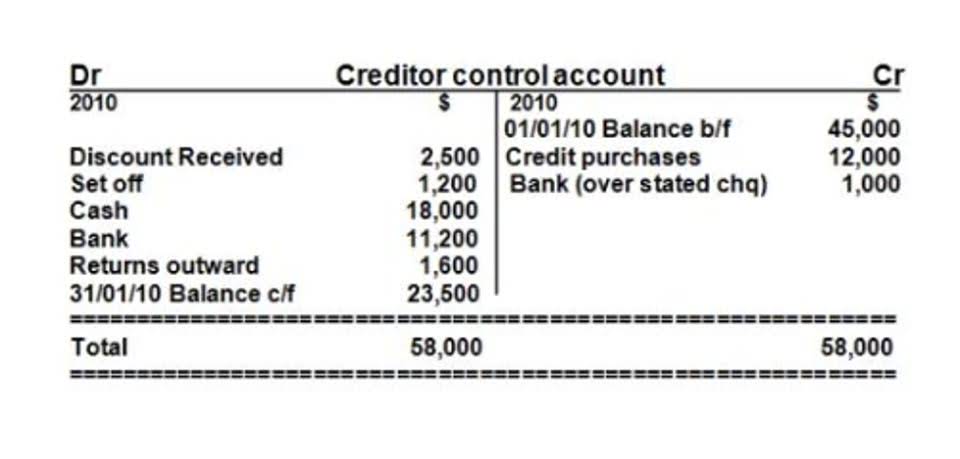
The statement tracks these over a period, such as the last quarter of the fiscal year. It shows how the net revenue of your business is converted into net earnings which result in either profit or loss. Unlike the journal, ledgers are investigated by auditors, so they must always be balanced at the end of the fiscal year. If the total debits are more than the total credits, it’s called a debit balance. If the total credits outweigh the total debits, there is a credit balance. The ledger is important in double-entry bookkeeping where each transaction changes at least two sub-ledger accounts.
Common bookkeeping mistakes to avoid
Your bookkeeping system should integrate with payment gateways, payroll systems, and CRM tools. Freelancers need simple bookkeeping tools, while startups may require advanced reporting and integrations. Just like in the above section, we credit your cash account, because money is flowing out of it.
Financial Services & Investing Overview

Unlike accounting, bookkeeping zeroes in on the administrative side of a business’s financial past and present. Accounting, on the other hand, utilizes data from bookkeepers and is much https://www.bookstime.com/ more subjective. Business transactions can be recorded by hand in a journal or an Excel spreadsheet.
Cost Breakdown for Year-End Bookkeeping Outsourcing USA

Such transactions need to be identified, accepted, classified and recorded in such a way that allows them to be presented in the form of financial statements. Try setting aside and scheduling a ‘bookkeeping day’ once a month to stay on top of your financials. Use that day to enter any missing transactions, reconcile bank statements, review your financial statements from the last month and make any major changes to your accounting or bookkeeping. Finally, if you want someone else to do your bookkeeping for you, you could sign up for a cloud-based bookkeeping service like Bench. We’ll do your bookkeeping for you, prepare monthly financial statements, give you expense reports with actionable financial insights, and we’ll even file your taxes for you when the time comes.
Post transactions to ledgers
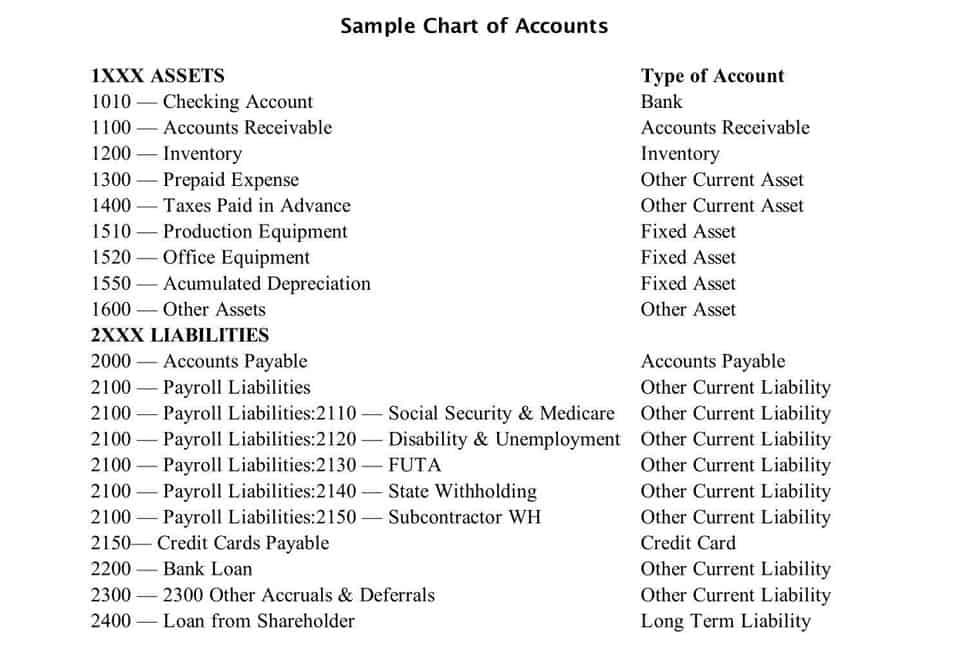
In many instances, an accountant prepares the initial chart, and the bookkeeper references it while recording transactions. It might feel daunting at first, but the sooner you get a handle on this important step, the sooner you’ll feel secure in your business’s finances. Remember that the basic goals of bookkeeping are to track your expenses and revenue and to ensure you collect all necessary information for tax filing. Accrual accounting records invoices and bills even if they haven’t been paid.

Optional Certifications and Degrees
Over 50,000 customers, from family farms to space startups, have saved over $10 billion and 27.5 million hours with Ramp. Founded in 2019, Ramp powers over $100 billion in purchases annually. While software improves efficiency, some businesses prefer outsourced bookkeeping services for accuracy and compliance.

- Good preparation and documentation are critical for paying taxes (including payroll taxes) on time.
- The three major financial reports that every business must know and understand are the cash flow statement, balance sheet, and income statement.
- They gather information such as the date, amount, and who the transaction involved from sources like receipts or bank statements.
- While we don’t cover every company or financial product on the market, we work hard to share a wide range of offers and objective editorial perspectives.
- This module focuses on recording and posting transactions, the second step of the accounting cycle.
- Bench simplifies your small business accounting by combining intuitive software that automates the busywork with real, professional human support.
Professional bookkeeping and accounting associations also offer effective job search help by providing networking opportunities, career tips and advice, and professional development workshops. The best results happen when a business implements a bookkeeping strategy over a period of time or builds a long-term working relationship with a qualified bookkeeper. Waiting until crunch time to prepare documents and fix bookkeeping errors can be too late if the records are kept with many mistakes. The information you get from your receipts should go into some kind of ledger (usually a digital option). Bookkeeping can be managed via accounting software or by hiring professionals. It helps small businesses track finances, gain insights, and guide business decisions.
A lot goes into it—from managing payables and receivables to balancing books. But what might seem like an overwhelming task isn’t so bad when you break it down to the bookkeeping basics. This course is completely online, so there’s no need to bookkeeping show up to a classroom in person.
]]>
Proper expense tracking helps claim deductions at tax time and improves financial insights. A forward-thinking business plan accounts for this digital demographic. By analyzing data real estate bookkeeping from the Estonian Land Board, investors can track transaction volumes in real-time, providing a level of transparency that is rarely seen in other European markets.

JLL acquires renewable energy investment firm, Javelin Capital

In fact, business financial stats show that less than half (48%) of small business owners feel confident they’re paying taxes correctly. From security deposits to repair costs and recurring property fees, the volume of transactions in real estate can be overwhelming. Without a system to categorize and track these accurately, you risk missing payments or misreporting expenses. Organizing transactions by property and account helps maintain clarity, ensures timely payments, and supports better budgeting for future maintenance or upgrades. Aviaan Accounting, a leading accounting firm, equips you with the tools and expertise you need. Our comprehensive services empower you to make informed decisions and unlock your full growth potential.
- In 2026, the market is no longer defined by informal “Semsar” (intermediaries) but by a shift toward structured, licensed, and technologically-driven brokerages.
- Knowing when to bring in professional help can save you time, money, and major stress during tax season.
- Revenue recognition in real estate means recording income when you’ve fully earned it.
- Bookkeeping serves as the cornerstone for efficient financial management in the Real Estate Business, a sector where sound financial strategies are paramount.
- By the end, you’ll understand how to streamline your accounting processes, avoid common pitfalls, and use your financial data to make informed investment decisions.
- Perform an annual review to evaluate your portfolio performance, adjust strategies, and prepare for the next year.
Managing properties as long-term business assets
Baker Tilly pairs deep industry knowledge with service specialization to deliver high quality accounting and assurance services. From open land to modern data centers and luxury hotels, we provide industry-leading expertise and local guidance at every turn. Optimize your property management workflows with a flexible solution for office, retail, and mixed-use properties—so you can focus on your NOI. That’s why we offer region-specific services, such as finding a North Indian Pandit in Bangalore, a Bihari Pandit in Bangalore, or specialised Bengali, Marathi, Telugu, and Kannada priests. This analysis will guide you in creating a realistic budget for the future. Effective bookkeeping is a must for Real Estate Businesses to ensure financial accuracy.

Bookkeeping services for real estate agents

Moreover, you may also risk missing your money on taxes, which can lead to IRS penalties. Learn what tax lien investing is, how auctions and redemption periods work, key risks to watch, and the steps real estate pros need to get started. Perform an annual review to evaluate your portfolio performance, adjust strategies, and prepare for the next year.
Simplify your rental property finances
- The rule requires certain real estate professionals involved in closings to report all-cash residential property transfers made to legal entities or trusts.
- Good bookkeeping saves time and lets you focus on growing your real estate business.
- Your recordkeeping system should include a summary of your business transactions.
- Proper expense tracking helps claim deductions at tax time and improves financial insights.
By meticulously documenting each financial interaction, businesses can foster unwavering trust with their esteemed clients, reliable partners, and pertinent regulatory bodies. This adherence to precise financial record-keeping not only reinforces the credibility of real estate enterprises but also underlines their commitment to ethical and compliant business practices. By fostering financial clarity, bookkeeping in the Real Estate Business effectively mitigates the disruptive impact of any potential chaos. Business owners rely heavily on the meticulous process of bookkeeping to uphold precise and comprehensive https://www.austindailyherald.com/sponsored-content/why-real-estate-bookkeeping-is-critical-for-your-business-9247e950 financial documentation, thereby facilitating flawless execution of various business operations.
]]>